
Dubai Property Investment: Complete Guide 2026
Why Invest in Dubai
Dubai stands as a beacon of economic resilience and growth, drawing investors globally to its real estate market. Known for its visionary architecture, world-class amenities, and strategic location between the East and West, Dubai offers a plethora of opportunities for property investors. Its tax-free investment environment, coupled with a stable economy, enhances its appeal as a lucrative investment destination.

Investing in Dubai's real estate market is not just about acquiring property; it's about buying into a lifestyle that is both luxurious and cosmopolitan. Dubai's government has implemented foreign-friendly policies, making it easier for expatriates to invest in property. The introduction of long-term visas and a path to citizenship for investors further underscores Dubai's commitment to attracting global capital.
Key Takeaway: Dubai's strategic location, coupled with its investor-friendly policies and tax-free environment, makes it a prime destination for real estate investment.
Freehold vs Leasehold
In Dubai, properties are classified into two main categories: freehold and leasehold. Understanding the difference between these is crucial for investors.
- Freehold: Foreign nationals have the right to buy, sell, and rent out the property without restrictions. Ownership is perpetual.
- Leasehold: The investor leases the property from a freeholder for a period of up to 99 years, with certain conditions on the use and sale of the property.
Freehold areas, often preferred by international investors, include Dubai Marina, Palm Jumeirah, and Downtown Dubai, offering a range of high-end residential options.
Top Investment Areas
Dubai's real estate landscape is diverse, offering various investment opportunities in residential, commercial, and mixed-use properties. Here are some of the top investment areas:
- Dubai Marina: Known for its luxurious waterfront lifestyle, offering high rental yields.
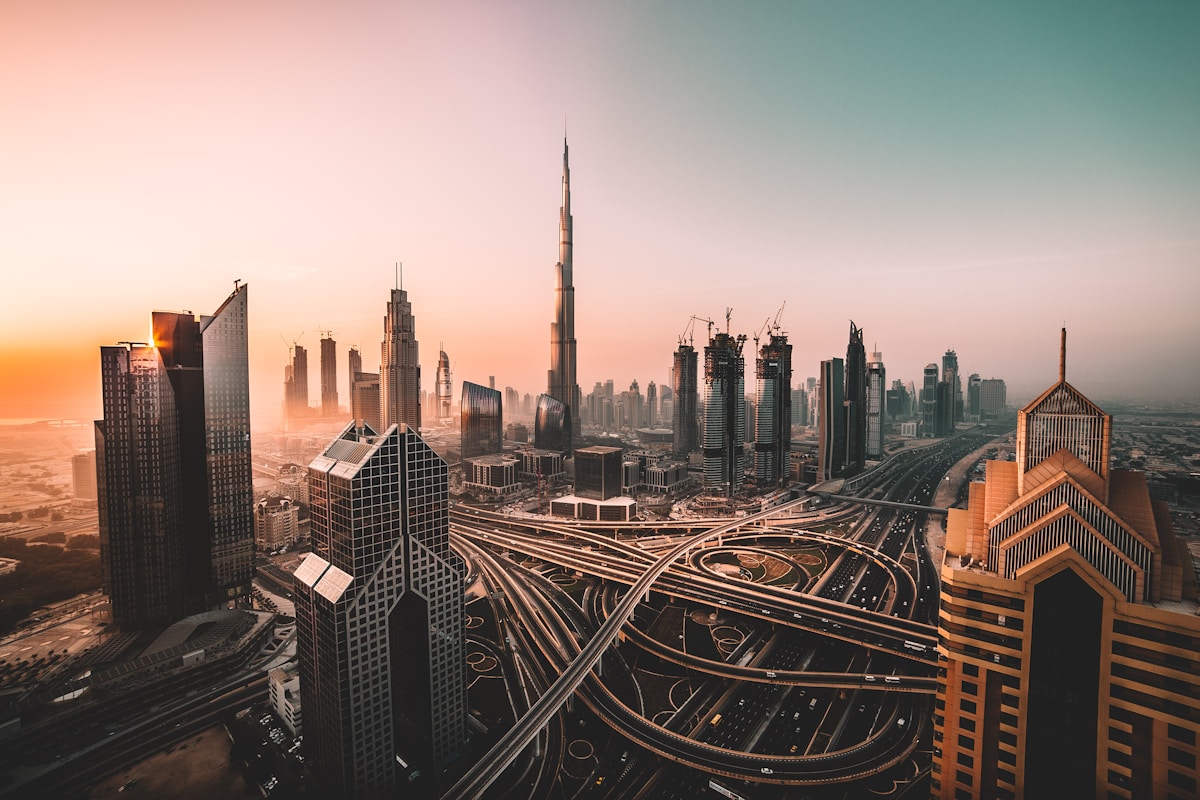
- Downtown Dubai: Home to the Burj Khalifa and The Dubai Mall, appealing to high-net-worth individuals.
- Palm Jumeirah: Offers unique villa and apartment options with beachfront views, attracting premium tenants and buyers.
Developer Selection
Choosing the right developer is paramount in Dubai's real estate investment. Reputable developers not only ensure the quality and timely delivery of projects but also enhance the investment's value over time. Considerations should include the developer's track record, financial stability, and customer reviews.
Leading developers, such as Emaar Properties and Nakheel, have established a reputation for delivering iconic projects that define Dubai's skyline. Investors are advised to conduct thorough due diligence before committing to a developer.
Golden Visa Requirements
The Dubai Golden Visa is a long-term residency visa, offering investors a pathway to a stable and secure investment environment. To qualify for a Golden Visa through property investment, individuals must invest in a property worth at least AED 2 million (approximately USD 545,000).
Key Takeaway: The Golden Visa not only provides long-term residency but also adds to the attractiveness of Dubai as an investment destination, offering stability and security to international investors.
Additional benefits of the Golden Visa include the ability to stay outside the UAE for more than six months without losing residency status, inclusion of family members, and access to a range of services and facilities in Dubai.
Financing Options
Securing financing for a Dubai property investment has become increasingly straightforward, thanks to the city's thriving real estate market and supportive financial services sector. Investors can choose from various financing routes, each catering to different needs and investment strategies.
Mortgage Loans
Banks in Dubai offer mortgage loans to both residents and non-residents, with terms that can extend up to 25 years. Interest rates vary, but they are competitive, making mortgages a popular choice for long-term investors. It's essential to have a good credit history and a stable income to qualify for the best rates.
Developer Financing
Many developers in Dubai provide direct financing options for their projects. These can often be more flexible than bank mortgages, with lower down payments and the possibility of negotiating the payment plan. This option is particularly appealing for off-plan purchases.
Equity Release
For those who already own properties, either in Dubai or abroad, equity release offers a way to invest without upfront cash. By borrowing against the value of your existing property, you can access funds to invest in Dubai's real estate market.

Legal Process
The legal process for buying property in Dubai is straightforward, designed to be transparent and secure for both parties. Here's a step-by-step overview:
- Selection of Property: Investors choose the property they wish to purchase.
- Agreement of Sale: A formal sales agreement is drafted and signed by both parties.
- Deposit: A deposit (usually 10%) is paid to secure the property.
- Due Diligence: The buyer conducts due diligence, checking for any legal issues.
- Transfer: The final balance is paid, and ownership is transferred at the Dubai Land Department.
It's advisable to engage a local real estate lawyer to navigate this process, ensuring all legal requirements are met and your interests are protected.
Tax Benefits
Dubai's tax environment is one of its most attractive features for property investors. The city offers a tax-free investment landscape, with no income tax, capital gains tax, or rental income tax. This policy significantly enhances the profitability of real estate investments in Dubai.
Note: While Dubai itself does not levy taxes on property, investors should consult with a tax advisor in their home country to understand any applicable taxes there.
Rental Yields by Area
Rental yields in Dubai vary by area, influenced by factors such as location, property type, and amenities. Below is a table showcasing average rental yields in select areas of Dubai:
| Area | Average Rental Yield |
|---|---|
| Dubai Marina | 5.5% |
| Jumeirah Village Circle (JVC) | 6.2% |
| Downtown Dubai | 4.8% |
| Palm Jumeirah | 5.2% |
These figures are indicative and can fluctuate based on market dynamics. Investors should conduct thorough research or consult with a local real estate expert to identify the most lucrative opportunities.
Investment Checklist
- Understand your investment goals and strategy.
- Research the Dubai real estate market thoroughly.
- Identify the type of property and preferred area.
- Secure financing, if necessary.
- Engage a reputable real estate agent with local expertise.
- Consult a legal advisor to navigate the buying process.
- Conduct due diligence on the selected property.
- Consider the tax implications of your investment.
- Analyze potential rental yields and capital appreciation.
- Factor in ongoing costs, such as maintenance and service charges.
- Prepare for potential vacancies between tenants.
- Stay informed about market trends and regulatory changes.
- Build a network of local contacts and professionals.
- Consider the exit strategy for your investment.
- Reassess your portfolio regularly to optimize performance.
FAQ
Do I need to be a UAE resident to buy property in Dubai?
No, you do not need to be a UAE resident. Dubai's real estate market is open to international investors.
Can I get financing as a non-resident?
Yes, banks in Dubai offer mortgage loans to non-residents, although the terms may vary from those for residents.
Are there any restrictions on where foreigners can buy property in Dubai?
Foreigners are allowed to buy property in designated areas known as freehold areas. These include popular locations like Dubai Marina, Palm Jumeirah, and Downtown Dubai.
What are the ongoing costs associated with owning a property in Dubai?
Ongoing costs include service charges for maintenance of common areas, utility bills, and property management fees, if you choose to have your property managed.
How can I ensure a good return on my investment?
To maximize your ROI, invest in areas with high rental yields, consider the property's condition and location, and stay informed about market trends.
Property Investment Editorial Team
Investment Advisor